Capsule toys look simple: a small figure, a plastic capsule, a colorful assortment. In production, the details that decide margin and repeat orders are less visible — tooling ownership, paint consistency, test scope and packing discipline. This guide is the checklist we use when a new capsule program is quoted.
1. Start with the capsule format, not the figure
The capsule decides the maximum product envelope, the assembly method and the packing line. A 1.1-inch program and a 2-inch program are different products, even when the artwork looks similar. Confirm the capsule diameter, the closed height, the material and whether the capsule is transparent, opaque or printed.
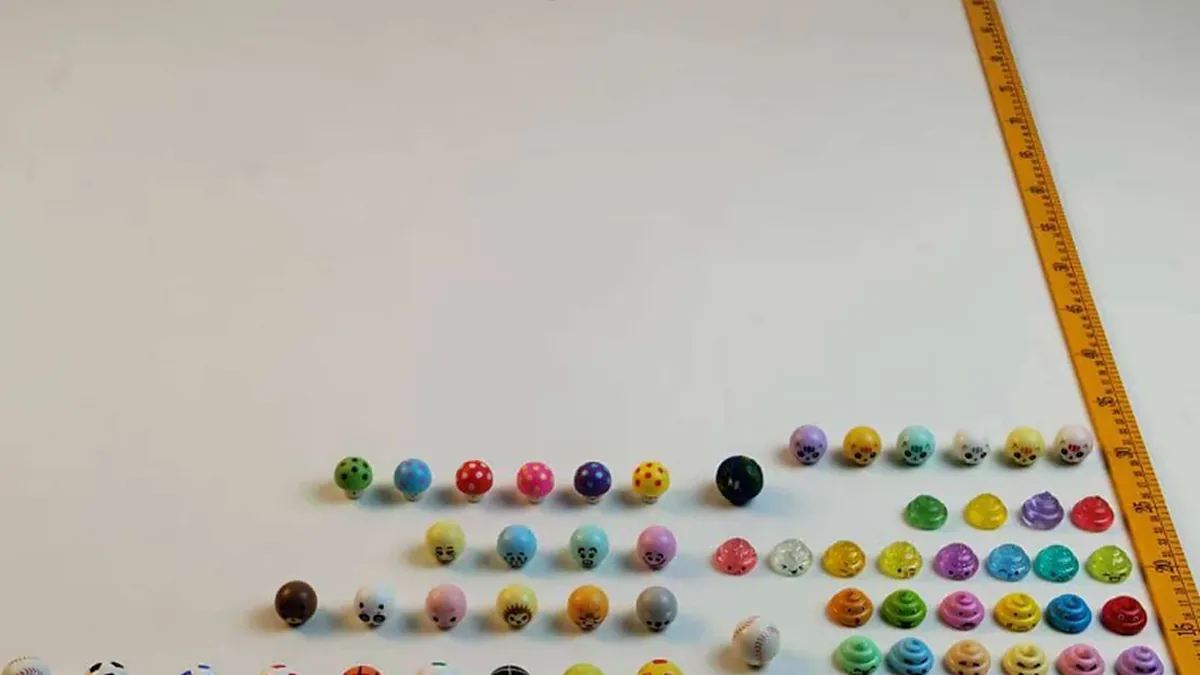
Ask the factory to show a sample plate with a ruler. A plate with real parts and a scale is more useful than a rendered image because it shows the actual draft angles, wall thickness and paint coverage.
2. Ask who owns the tool
For a custom figure, the steel tool is often the largest upfront cost. Clarify who pays for it, who owns it, where it is stored and what happens if the program moves. A factory that builds tools in-house can control sampling speed and modifications; a broker may not.
Before approving a tool, ask for the parting line, gate location, expected cycle time and the first-article inspection report. These are the details that determine whether the figure can be painted cleanly at volume.
3. Lock the color before you lock the paint
Molded-in color and painted color behave differently. For small figures, a molded base color plus hand-painted details is often the most efficient route. For faces and licensed characters, pad printing or spray masks may be needed. Ask for a color target under the same light you will use for approval, and keep a physical master sample.
If the program has multiple series, define a series color system: which parts stay constant, which change per character, and how the factory checks color between lots.
4. Match the test plan to the market
EN 71, ASTM F963 and REACH are common reference points for toys sold in Europe and the US, but the exact test plan depends on the age grade, materials and market. Ask for the report scope, the sample date, the laboratory and whether the report covers the exact construction you are buying.
ADAR’s current public evidence includes three BV reports dated July 2025, covering EN 71, ASTM F963 and REACH for submitted samples. Treat a report as evidence for the samples and scope described in it — not as a blanket certificate for every future SKU.
5. Agree MOQ, lead time and packing in one conversation
MOQ is usually driven by tooling, material purchase and packing setup, not by the number of figures alone. Ask for the MOQ per SKU, per color and per capsule format. Then ask what changes if the assortment mixes several characters.
Lead time should include sampling, tooling, mass production, inspection and transit preparation. A realistic quote separates these stages; a single vague number usually hides a dependency.
6. Inspect the packing line, not just the sample
A perfect sample does not guarantee a clean carton. Ask how the factory checks capsule fill, figure orientation, paint defects, print position and carton count. For display programs, confirm the display configuration and whether the factory can pack assortments without mixing series.
For export, agree the carton mark, inner pack, barcode and any retailer-specific labeling before production. Packing changes late in the program are expensive.
7. The RFQ checklist
- Capsule diameter, material and closed height
- Figure size, material, color and paint/print areas
- Estimated annual volume, MOQ per SKU and series count
- Target market and required test scope
- Tooling ownership and sampling approval process
- Capsule, blister, bag or display packing
- Artwork, label and carton requirements
- Target launch date and delivery port
A good capsule toy manufacturer answers the tooling, test and packing questions before talking about price. If those three are vague, the price is not comparable.
If you are planning a capsule, mini figure or squishy program, send the format, target market and estimated volume. ADAR can review the tooling route, decoration method and packing options before a sample is made.